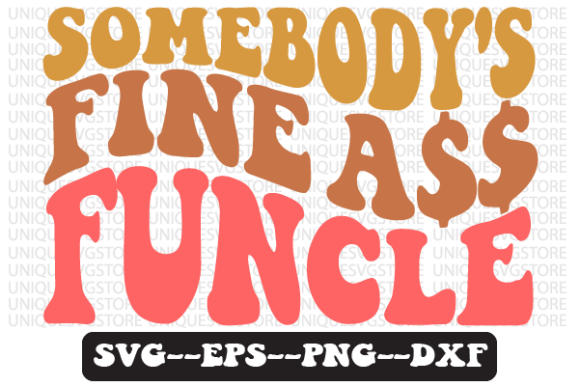
Somebody's Fine Funcle: A Groovy Retro Embroidery Design
When you work in embroidery design and product creation, you develop a sense for what makes a file work. You look at a design not just as an image, but as a blueprint for thread and fabric. It’s about predicting how lines will translate to stitches, how colors will play on different backgrounds, and ultimately, how a finished product will feel in your hands—or in a customer’s. Today, I’m looking at the Somebody's Fine Funcle Retro SVG Design from that practical, project-ready perspective.
The Immediate Groovy Appeal
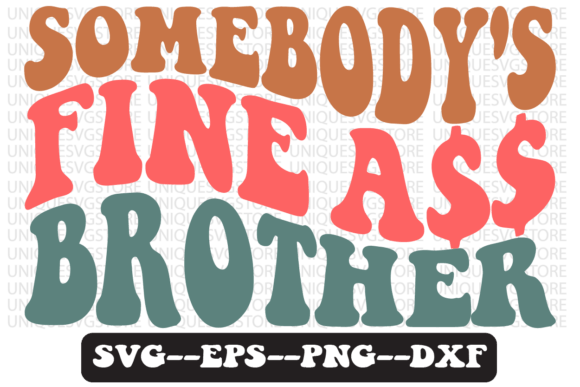
The first thing you notice is the mood. This isn't just a phrase; it’s a personality. The retro styling evokes a specific, warm, and playful nostalgia. It feels like a compliment wrapped in a smile. The layout is typically centered and bold, which is excellent news for embroidery. A clear, strong focal point means less fussing with placement on your garment or product. The detail level appears to be moderate—the fun is in the typography and the retro flourishes, not in tiny, intricate details that could vanish under stitches.
This visual personality immediately suggests a category of projects. It feels celebratory, affectionate, and slightly whimsical. I’m thinking personalized gifts right away. This isn’t a generic graphic; it’s a message. That makes it a powerful asset for crafters and small business owners who specialize in items that tell a story.
Where This Design Finds Its Home in Embroidery
Let’s talk real-life application. Imagine you’re preparing for a craft fair, and you want a line of unique, conversation-starting sweatshirts. Or a client requests a custom gift for a beloved uncle—a “Funcle.” The Somebody's Fine Funcle design isn’t just a file you run; it becomes the heart of that project.
For custom apparel, its bold, clean nature makes it a strong candidate. On a heavyweight cotton sweatshirt or a sturdy tote bag, the satin stitches for the lettering will pop beautifully. The retro accents could be handled with clever fill stitches or even simple running stitch outlines for a more handmade touch. I can easily see it on a high-quality apron or a pillow cover for a cozy, personal home decor item.
For smaller, more delicate applications, like baby clothes or a lightweight tea towel, you’d need to think about scale. Reducing the size significantly might compress those fun details, so a medium to larger application is its sweet spot. It would also make a fantastic, statement embroidered patch, perfect for a cap or backpack, offering that boutique, curated feel.
Considering the Stitching Reality
Moving from the screen to the hoop requires some practical forethought. The design’s success hinges on a few key execution points.
Fabric choice is paramount. On textured fabrics like some knit sweatshirts, the clarity of the lettering could soften, which might actually enhance the retro, cozy vibe. On smooth, tight-weave cotton, it will be sharp and crisp. For dark fabric backgrounds, thread color contrast is your best friend. You’d likely opt for a bright, warm palette to keep that groovy feel alive.
Areas of potential consideration are the decorative accents. If the design has small corners or flourishes, you’ll want to test the stitch density on scrap fabric first. Too dense a fill stitch in a small area on thin fabric, like a tee, can cause puckering. Using a proper stabilizer is non-negotiable here to maintain the design’s integrity, especially on stretchy fabrics.
For curved surfaces like caps, the design’s centralized layout is a plus, but you must confirm the hoop size compatibility with your machine and the cap frame. Always, always run a test on a similar fabric and color background before committing to a final product, especially for client work or small shop merchandise.
A Scenario: The Boutique Holiday Gift
Picture this: You’re an Etsy seller preparing your holiday gift collection. You want a line of “uncle” gifts that feel special and handmade. You choose a high-quality, oatmeal-colored linen tote bag as your base. You load the Somebody's Fine Funcle embroidery file, select a thread palette of burnt orange, cream, and deep brown. The result is a product that looks curated, thoughtful, and full of character.
The design’s inherent warmth increases the giftability and perceived value. A customer isn’t just buying a bag; they’re buying a sentiment, beautifully executed. That builds customer trust in your craftsmanship. For your craft business, it becomes a signature piece that enhances your brand’s consistency as a source for meaningful, well-made items.
Designer Notes for a Smooth Project
Before you stitch, here’s a quick mental checklist from the embroidery side of the desk.
- Test, test, test. Run the design on scrap fabric that mimics your final product’s material and color.
- Check thread contrast. View the design in a simple black-and-white mockup to see how the shapes hold up without color. This helps plan for light vs. dark backgrounds.
- Inspect the small details. Zoom in on your file. Are there any tiny elements that might blur into each other when stitched? You might choose to slightly simplify them in your machine settings if needed.
- Consider the product’s life. If you’re making kitchen towels or aprons that need frequent washing, a robust stitch structure (and possibly a touch of applique for the main letters) will ensure longevity.
- Confirm the licensing. This is crucial for commercial use. Before selling finished items or using the design in your digital product previews, verify the terms associated with this graphics file. Ensure your commercial embroidery projects are covered.
The Final Stitched Impression
In the end, the Somebody's Fine Funcle Retro SVG Design strikes me as a wonderfully useful asset. It has a clear, engaging personality that translates well into the tactile world of embroidery. It’s suited for projects where emotion and presentation matter—the personalized gift, the boutique product, the statement piece for your handmade shop.
Its value lies in its ability to create not just a decorated object, but a cherished item. For the embroidery designer, small business owner, or crafter, it provides a solid, stylized foundation. With careful attention to fabric, thread, and technique, this groovy design can become a standout, professional-looking finished product that engages buyers and celebrates the people we call “Funcle.”