Is This Dinosaur Design Ready for Real Embroidery?
When a new embroidery design lands in my digital library, I don't just look at it on screen. I imagine it stitched out, on real fabric, in the hands of a customer. So, let's put this New Dinosaur T-rex T Shirt Design through that practical lens. As a designer who has to judge a file's potential for actual projects—from client commissions to my own shop's merchandise—the first question is always: will this translate well from a graphic to a finished, embroidered product?
The First Impression: A Playful, Bold Character
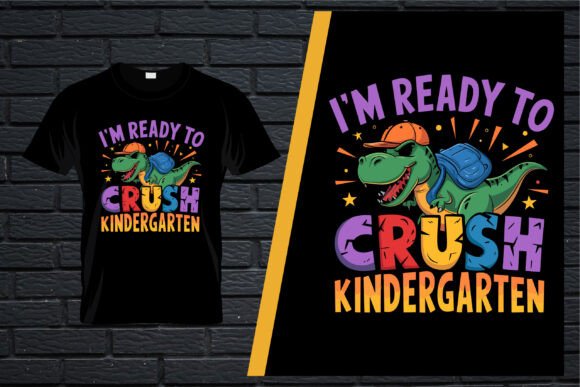
The design immediately strikes me as having a strong, playful personality. The T-rex's stance and overall shape suggest a confident, friendly dinosaur, not a scary one. This mood is crucial. For embroidery, especially on items for children, gifts, or casual apparel, the visual personality needs to be clear and appealing from a distance. The layout here feels balanced for a central placement on a garment or bag. The level of detail appears manageable; it doesn't look overly dense or filled with tiny elements that could become muddy in stitching. This gives it a solid foundation for a clean embroidered outcome.
Where This Dinosaur Would Thrive in Your Projects
Based on that personality, my mind goes straight to specific applications. This isn't just a "graphic template"—it's a potential embroidered patch for a kid's backpack, a standout motif on a unisex sweatshirt, or a fun focal point on a tote bag for a science teacher. I can easily picture it on a baby blanket or nursery pillow cover, where the friendly dinosaur theme would be a hit. For holiday gifts, think of a personalized apron for a dinosaur-loving dad or a kitchen towel for a fun-loving household. The design has that "giftable" appeal.
For small business merchandise, this could be a great core product for an Etsy shop focusing on playful, nature-themed items. Stitched onto a high-quality cotton tee or a canvas cap, it elevates a simple garment into a handmade product with character. The recognizability of a T-rex adds instant engagement for buyers browsing your craft fair products or online listings.
The Real-World Embroidery Considerations
Now, let's get into the nitty-gritty. How would this perform when the needle starts moving? My professional instinct is to approach it with a few key notes for fellow embroidery designers.
First, test on scrap fabric that matches your intended final product. This is non-negotiable. You need to see how the design's shapes, especially any potential sharp corners or curves on the dinosaur, translate into stitches. Check the stitch density in the filled areas; too dense can make stiff patches on stretchy fabric like t-shirts, while too light might not look substantial on a tote bag. Since we don't have exact specs provided, running this test is your first step.
Thread color contrast will be everything here. On light fabrics, a classic green or gray dinosaur will pop. On dark fabric backgrounds, you'll need to plan for a much lighter palette or potentially consider an applique approach if the file supports it, to maintain clarity. Always use proper stabilizer for the fabric type to keep those outlines sharp.
Scenarios That Demand Extra Attention
Some projects will require more careful planning. If you're aiming for a small hoop size to put this on a child's hat or the chest of a polo shirt, you must ensure the design's scale reduces cleanly without losing its friendly character. Textured fabrics like some sweaters might obscure finer details. Embroidering on curved surfaces like caps requires excellent stabilization and possibly adjusting the design orientation.
For products destined for frequent washing, such as baby clothes or kitchen linens, a robust stitch construction is key. You'd want to ensure the stitch types used in the file—whether satin stitch for outlines or fill stitch for bodies—are durable and won't snag easily. Again, your test piece should undergo a gentle wash cycle to preview this.
From Embroidery File to Customer Trust
The ultimate goal is a finished product that builds customer trust and reflects your professionalism. A clean, well-executed embroidery of this dinosaur design speaks volumes. It shows care in craftsmanship, which enhances the perceived value of a custom apparel item or personalized gift. For digital product sellers offering this as an embroidery file to other makers, providing clear notes based on your own tests about optimal uses can greatly boost its value.
Think about brand consistency too. If your shop has a playful, modern vibe, this design could be a perfect fit. If your aesthetic is more minimalist, you might use it selectively. Its visual appeal is broad, making it suitable for many craft business contexts, but it should still align with your overall collection.
Your Essential Pre-Project Checklist
Before you commit this design to a client's order or a batch of shop merchandise, here's a simplified checklist from my own workflow:
- Stitch it out on a scrap of your target fabric. Observe the clarity of all details.
- Check how it looks in both light and dark fabric background mockups, even digitally, to plan thread colors.
- Confirm the physical hoop size needed matches the dimensions of your final product area.
- Inspect any small interior details during your test to ensure they won't vanish or bunch.
- Most critically: confirm licensing for your intended use. Is this design cleared for commercial embroidery projects where you sell the finished item? Is it suitable for personal and commercial projects? This information is not provided in the basic description, so verifying this is your responsibility.
Treating the New Dinosaur T-rex T Shirt Design not just as a digital graphic but as a future physical embroidered project changes everything. It moves from a potential asset to a planned product. With its bold, friendly character, it holds genuine promise for a range of handmade goods. A little practical forethought—testing, planning, and verifying—will ensure that the dinosaur roaring on your screen ends up roaring with quality on your finished product.