Groovy Retro Graphics for T-Shirt Designs and Editorial Content
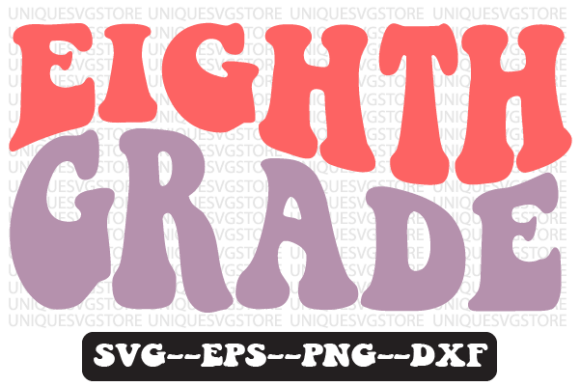
Opening a design asset for the first time sets the tone for a publishing project. The Eighth Grade Groovy Retro SVG Design immediately establishes a playful, nostalgic, and artistic editorial mood. This isn’t a sterile corporate graphic; it’s a visual invitation into a specific content niche. It feels inherently lifestyle-focused, evoking themes of creativity, vintage inspiration, and a touch of youthful energy. For a publisher, this initial impression is crucial—it tells me what kind of stories, guides, or products this graphic design asset can naturally support.
Establishing Visual Trust Through Consistent Design
Reader perception is shaped by visual consistency. When a blog’s featured images, Pinterest pins, and downloadable resources share a coherent visual language, trust builds. This retro design, with its distinct style, can become a cornerstone of that language for content around DIY projects, artistic tutorials, vintage lifestyle, or creative entrepreneurship. Using it across different formats signals a curated, thoughtful publication, not a random assortment of graphics.
From Blog Header to Printable Lead Magnet: Real Publishing Applications
In a real publishing workflow, this asset’s versatility is its strength. That groovy retro aesthetic translates seamlessly into several key content pieces. Imagine it as a bold, engaging hero image for a blog article about "Reviving 70s Craft Trends." It can become the core visual of a Pinterest pin promoting a downloadable guide to retro home decor. For an email newsletter targeting creative entrepreneurs, it serves as a perfect banner graphic, setting a fun and inspiring tone.
Its value extends deeper into content marketing tools:
- Digital Guides & Lead Magnets: Use the design as a cover graphic for a PDF on "Starting a Retro T-Shirt Business," instantly communicating the topic.
- Affiliate Content Visuals: When writing about compatible products like craft mugs or fabric, this graphic creates a cohesive, clickable visual context.
- Website & Category Branding: Implement it as a background accent or thumbnail for a "Vintage Designs" category page, strengthening visual identity.
- Canva Template Creation: Import the SVG to build reusable templates for social media posts, ensuring brand consistency across campaigns.
Where This Retro Design Maximizes Content Performance
The right graphic design asset directly impacts performance. This retro design excels in creating a stronger first impression on content pages, breaking through the visual noise of generic stock imagery. It offers a clearer visual hierarchy—the central motif naturally draws the eye, allowing supporting headline text to complement, not compete. This clarity improves click-through potential, especially on social media graphics and email banners where engagement is paramount.
For publishers building a brand, repeated use across blog graphics, editorial accents, and downloadable resources fosters more consistent branding. A reader who sees this style on a Pinterest pin, then again on the associated blog article, and finally on a printable worksheet they download, receives a unified professional experience. This repetition builds category recognition and a stronger, more memorable visual identity for your entire content ecosystem.
Optimizing for Hero Images and Pinterest Pins
This design works exceptionally well as a large-scale visual. In website headers or as a full-width blog featured image, its details and character shine, establishing the article’s mood before a word is read. As a Pinterest pin, its unique style stands out in a grid of similar content, potentially increasing saves and clicks. For content upgrades like digital printables or eBook covers, it provides an immediate, attractive preview of the resource’s value.
Publisher Notes: Practical Integration into Your Workflow
Before committing this asset to a live project, a few practical checks are essential. Always test it on both desktop and mobile screens—some intricate retro details may scale differently. Preview it as a tiny thumbnail; does the core concept remain recognizable? Place it inside a draft blog layout with your headline text. Check contrast and readability: does the background color or pattern allow your typography to be clear?
Experiment with font pairings. Try placing the graphic beside a clean sans-serif font for a modern twist, a playful script font for added whimsy, or a sturdy serif for an editorial feel. This informs your overall editorial design decision. Review the file size for web performance; compress any exported PNGs properly to maintain page speed. Crucially, confirm the commercial license terms before using it on monetized websites, affiliate pages, or paid digital products like media kits or premium templates.
Contexts That Require Careful Consideration
While versatile, this groovy retro design should be used carefully in certain contexts. On very small mobile thumbnails where detail is lost, a simplified version might be better. Avoid overlaying it on text-heavy blog images where the combined visual density could overwhelm readers. Low-contrast backgrounds might dilute its impact. It may feel out of place in serious professional niches or corporate content that demands a very minimal, neutral visual system. For a website about financial analytics, this asset would likely distract rather than support.
Ultimately, the Eighth Grade Groovy Retro SVG Design is more than a T-shirt graphic. For bloggers, digital marketers, and creative entrepreneurs, it’s a ready-made component for building a visually distinct and engaging content platform. It supports the move from generic to branded, from cluttered to curated, elevating the perceived quality and clickability of your entire publishing output.