Expert Review: A Graphic Designer’s Look at Bus Driver Vintage Graphics
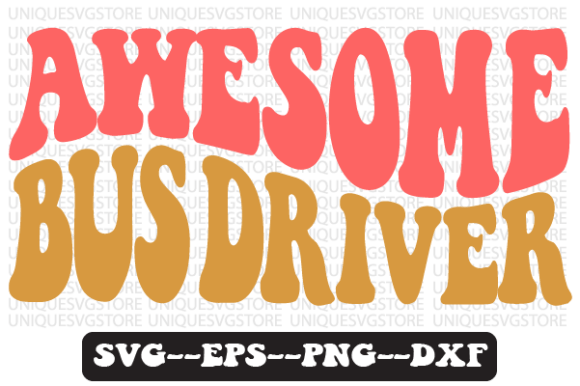
As someone who has spent years designing blogs and publishing digital content, my first glance at a new graphic design asset is always from a publisher’s lens. When I evaluate the Awesome Bus Driver Retro Svg Design, I’m not just looking at a T-Shirt graphic. I’m assessing a versatile creative design tool for editorial work. The immediate impression is a warm, nostalgic, and distinctly playful mood. It evokes a sense of classic Americana, roadside culture, and cheerful profession, which is perfect for content niches around lifestyle, travel, family, professions, and vintage-inspired hobbies.
Editorial Mood and Reader Perception
This driver quote retro design isn’t just decorative. It’s a mood-setter. The retro style signals authenticity and a touch of humor, which can make your content feel more relatable and trustworthy. Readers encountering this visual style on a blog or website subconsciously register a friendly, approachable tone. For affiliate marketers or content creators focusing on family travel, fatherhood blogs, career appreciation, or even gift-guide content, this design asset provides an immediate visual cue that aligns with that topic’s emotional core. It feels less corporate and more human—a key factor in building reader trust and engagement.
Real Publishing Applications Beyond the T-Shirt
The product description mentions printing on apparel, but for digital publishers, the true value lies in its adaptability. This printable png sublimation design is a foundational graphic design asset for countless content marketing needs.
- Blog Featured Images & Article Headers: A hero image featuring this vintage bus driver graphic instantly sets the theme for a post about road trips, school transportation, or professional appreciation days.
- Pinterest Pins & Social Media Graphics: Its bold, illustrative nature makes it ideal for Pinterest graphics, where visual clarity and theme recognition drive clicks.
- Newsletter Banners & Digital Guide Covers: Use it as a header for a newsletter about “Back-to-School” or as the cover art for a downloadable “Family Travel Planner” lead magnet.
- Website Banners & Category Thumbnails: It can visually define a blog category page for “Lifestyle” or “Dad Content,” creating stronger category recognition.
- Downloadable Printables & Canva Templates: Integrate it into worksheets for children, media kits for family-focused brands, or as a decorative element in pre-made Canva templates for your audience.
- Affiliate Content Visuals: When writing about gift ideas or reviewing products, this graphic can create a cohesive, attractive visual system for your affiliate pages, making them look less like generic ads and more like curated editorial content.
Supporting Content Performance and Professional Polish
Using a cohesive, high-quality asset like this directly impacts how your content performs. A stronger first impression reduces bounce rates. A clear visual hierarchy—where the graphic anchors the page—guides the reader’s eye. For click-through potential, especially on social media or in email newsletters, a distinctive, thematic graphic like this outperforms a generic stock photo. It contributes to a more consistent branding across your blog graphics, social media graphics, and digital products, which builds a stronger visual identity and, ultimately, improved reader trust in your publication’s quality.
Optimal Use Cases for Maximum Impact
To leverage this asset best, focus on applications where its style and scale can shine.
- Hero Images and Article Thumbnails: Where its full composition is visible.
- Pinterest Pins and Blog Graphics: As a central, standalone visual element.
- Editorial Accents and Content Upgrades: Within downloadable resources like checklists or guides.
- Category Visuals and Newsletter Headers: To establish a recurring thematic signature.
- Social Media Previews: For Facebook or Instagram posts about related topics.
Considerations and Areas for Careful Use
While versatile, this retro design requires thoughtful placement. Its specific, detailed illustration might lose impact in very small mobile thumbnails. On text-heavy blog images where the graphic is a background, ensure the contrast is high enough for readability overlaid text. It may feel out of place on a website with a very minimal visual system or within serious professional niches like corporate finance or legal content. Avoid busy layouts that compete with its playful details.
Practical Publisher Notes Before You Hit Publish
Before integrating this driver printable design into your workflow, run these real-world tests. They are the difference between a good idea and a polished final product.
- Test it on both desktop and mobile screens to check scaling.
- Preview it as a tiny thumbnail to ensure the core message is still discernible.
- Drop it into a real blog layout draft alongside your headline.
- Check contrast and readability by placing text over or near it.
- Try a black and white version for situations requiring monochrome.
- Place it beside different font styles—serif, sans-serif, script—to see which pairing feels most editorial.
- Review the file size. For web performance, compress any exported PNGs properly.
- Crucially, confirm the commercial license. Before using it on monetized websites, affiliate pages, or within paid digital products like eBook covers, ensure your usage is covered. This is a non-negotiable step for professional digital publishers.
Ultimately, the Awesome Bus Driver Retro Svg Design transcends its listed category. For bloggers, website owners, and creative entrepreneurs, it’s a building block for visual communication. It helps transform plain text into engaging editorial design. By providing a ready-made artistic element, it allows you to focus on crafting the content while your web design maintains a polished, clickable, and trustworthy appearance. In the competitive landscape of digital publishing, such assets are not just decorations; they are essential tools for clearer storytelling and stronger audience connection.